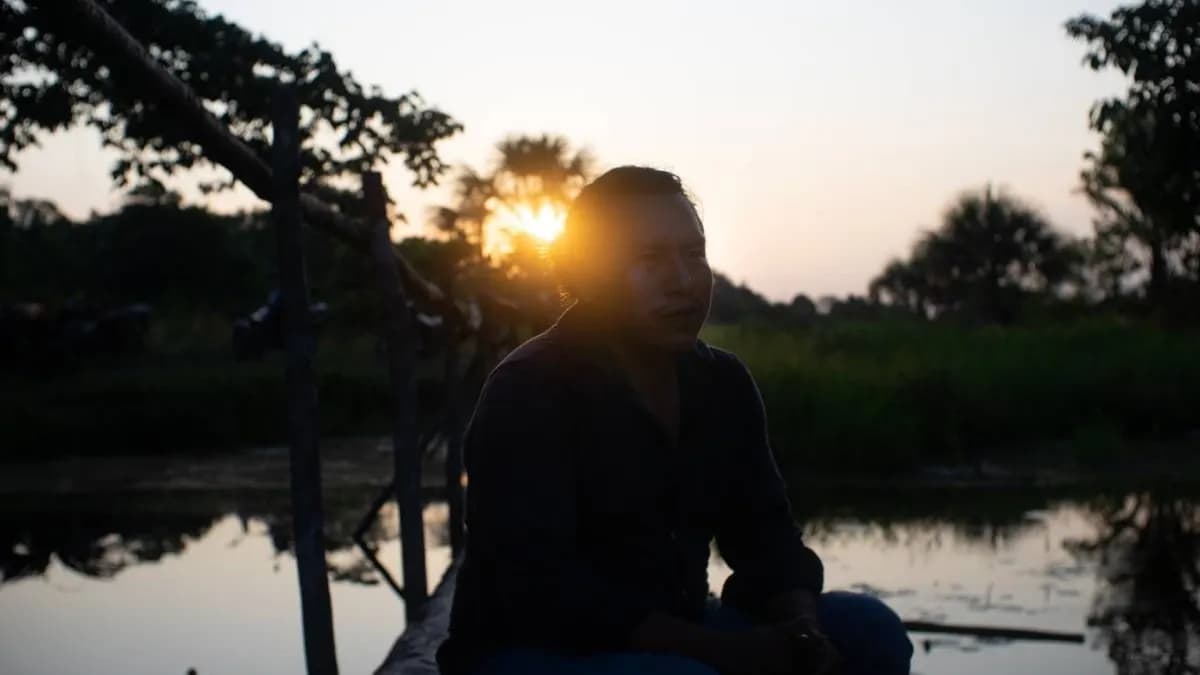
The ordeal of the Caquetá River and the Miraña people
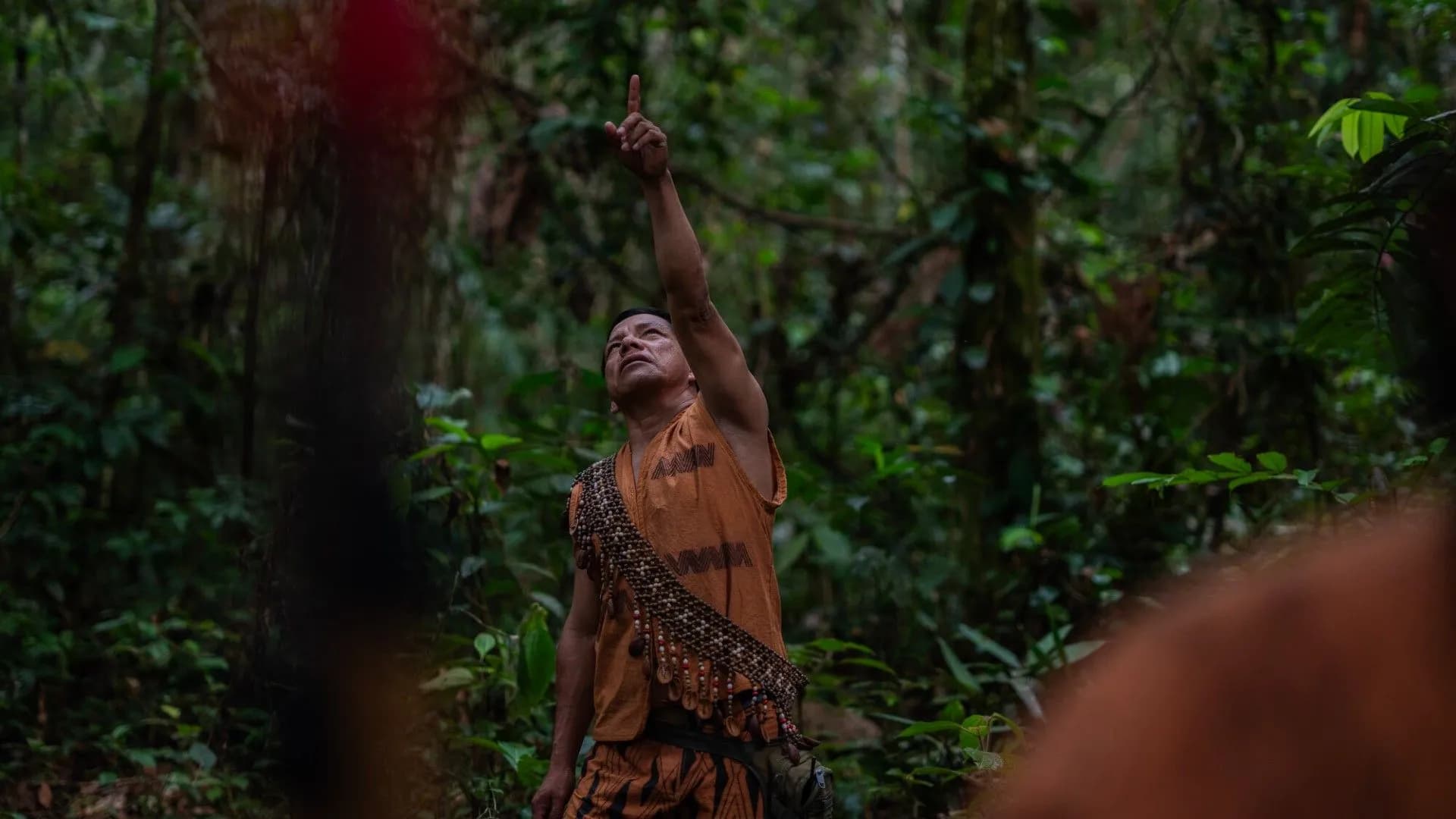
The recent history of the Miraña indigenous community shows the consequences of illegal mining on the Caquetá River. A population made up of only 240 people that refuses to disappear.
The Miraña community inhabits the territory where the Cahuinarí River meets the Caquetá River. After surviving the “cauchería” (slavery and exploitation due to the rubber industry) of the early twentieth century, missionaries, and armed conflict, the arrival of illegal mining has put at risk not only its culture but its existence. A study entitled “Impacts Generated by Illegal Mining in the Territory of the Pañi Association - Cahuinarí National Natural Park”, made in 2015, determined the high concentrations of mercury that the Miraña had in their bodies, which were between 15 and 19 times more than the limit that the World Health Organization indicates as not harmful to health.
The testimony of Elio Miraña, former leader of the Pañi association organization, explains exterminations, displacements that his community has suffered over a century, and the almost lost battles they have undertaken against illegal mining. The resilience of the Miraña, the one that Elio highlights so much, is the characteristic that has allowed them to get up again and again at times when everything seemed lost.
“I was born in a community called Puerto Remanso del Tigre, located on the Caquetá River, near the mouths of the Cahuinarí River. I joined to work in the leadership of the organization of the Miraña people in 2004, and I stayed there until 2015. After that, I moved to Leticia, and I currently live at kilometer six, in a town hall called Tigua.
Has alcanzado tu límite de artículos gratuitos
Suscríbete para acceder a todo nuestro contenido.
Suscribirme¿Ya tienes cuenta? Inicia sesión

Lea los comentarios