Cows are eating the Amazon
Even though cattle ranching and deforestation have increased rapidly in the last six years, this problem began with the colonization of the Amazon foothills and the agrarian policy of the Colombian State that has not worked as it should.
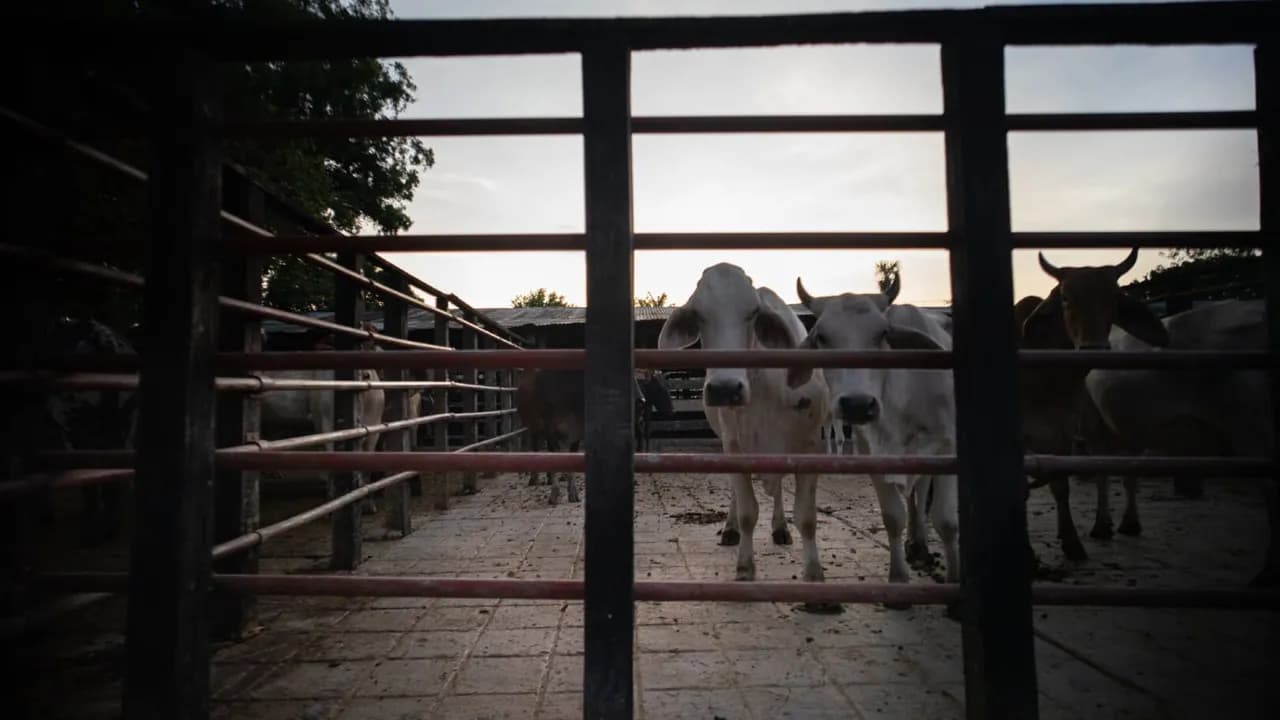
There is no doubt that cattle ranching continues to extend in the country. In recent years, according to data from the National Livestock Census of the Colombian Agricultural Institute, the cattle population grew by 29.14 percent, going from around 22,689,420 million in 2016, to 29,301,392 million in 2022
Antioquia, Córdoba, and Meta keep the first positions in the cattle ranching expansion, but the Amazonian departments are starting to gain prominence. Caquetá, which in 2016 ranked seventh in number of cattle in Colombia, is fourth now in 2022 above Casanare, a department with a historical livestock vocation. Even in 2020, it was second in the census, surpassing Meta and Córdoba. In this period of almost seven years, its cattle population went from 1.3 million to 2.2 million, which corresponds to an increase of 64 percent.
Cattle rush has also spread through Guaviare, which decades ago had no livestock tradition, but in recent years has followed the footsteps of Caquetá. According to the aforementioned census, between 2016 and 2022, this department rose from 21st to 15th place in cattle population in Colombia and increased its head of cattle from 281,611 to 534,531, corresponding to a growth of 89.8 percent.
Has alcanzado tu límite de artículos gratuitos
Suscríbete para acceder a todo nuestro contenido.
Suscribirme¿Ya tienes cuenta? Inicia sesión

Lea los comentarios